

monastic rules : ค้นหาหนังสือธรรมะ หน้า 1 / 1
หน้าหนังสือทั้งหมด
3
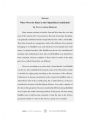
Establishment of Rules in the Pāṭimokkha
…been handed down until today: it is pointed out that, if the Buddha was the one who established all monastic rules (sikkhāpadā), those rules of all Buddhist sects should have been consistent, whereas a number of th…
This article by THANAVUDDHO BHIKKHU discusses the establishment of monastic rules in the Pāṭimokkha, challenging the view that these rules were developed post-Buddha. Through compar…
4
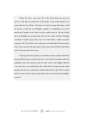
The Impact of Pāṭimokkha Rules on Monastic Life
…ncy of a number of rules of the *Pāṭimokkha* among different sects, scholars form the view that the monastic rules had gradually come into existence after the time of the Lord Buddha. But this view arises by not ex…
The Pāṭimokkha rules, once established, significantly influence the daily lives of monks within the sangha. Any monk who breaks these rules must confess to the offense, which underscores the importanc
190
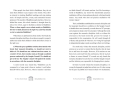
Maintaining Buddhism Amidst Crisis
When people lose their faith in Buddhism, they do not
teach their children to pay respect to the monks. They show
no interest in studying Buddhist teachings and stop making
merit. All temple activitie
When faith in Buddhism wanes, respect for monks declines, leading to a stagnation of temple activities. Negative portrayals of monks can mislead the public; thus, critical thinking is essential. The S
17
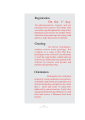
Registration and Orientation at Yuwakalayanamitra Camp
Registration
On the 1st day,
Yuwakalayanamitra register and get
nametags from mentors. Everybody must
wear name-tags throughout the camp as they
help them to get to know one another. Those
who fail to
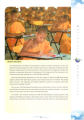
At Yuwakalayanamitra camp, participants register and receive name-tags, essential for fostering connections. Warm greetings await them upon arrival, such as a 1-kilometer walk to the camp facility und
51
Monastic Education at Dhammakaya Foundation
Monastic Education
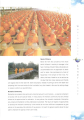
The Dhammakaya Foundation has attempted to promote monastic education (in Pali and Dhamma Studies) amongst the wider monastic community by organising the Grade Nine Pali Graduate C
มูลนิธิธรรมกายได้พยายามส่งเสริมการศึกษาในระดับพระสงฆ์ผ่านการจัดงานพิธีแสดงความยินดีประจำปีสำหรับนิสิตที่จบการศึกษาทางเปali พร้อมมอบทุนการศึกษา ตลอดจนการจัดตั้งวิทยาลัยเปali ในปี 1995 ที่ได้ผลสอบสูงสุด
103
Abide by the Rules
162. ABIDE BY THE RULES
Abide by the rules and regulations of the places where we find ourselves.
When I first arrived at Wat Paknam, I made the effort to learn all the rules and regulations of the
Understanding the significance of abiding by the rules at spiritual places is essential for personal growth. At Wat Paknam, the author emphasizes the need to learn and respect regulations, leading to
11
Concerns of Senior Citizens and the Monastic Community
Senior Citizens
Never fear from the concerns of the more senior citizens in society is courage in the face if coming of death. Many old people are uncomfortable with the approach of death and for some
Many senior citizens grapple with the fear of death and the possibility of neglect from loved ones. Some choose to distract themselves with material comforts or focus on their grandchildren rather tha
11
Untitled
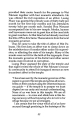
not until the reign of H.M. King Rama VI (Maha-vajiravudh, 1910-1925) that the Prince Patriarch Vajiraṇāna replaced the oral examination system with standardized written examinations, during the time
No content provided to generate a summary.
47
ไม่มีเนื้อหา
provided their motor launch for the passage to Wat Paknam together with four monastic attendants. He was offered the full requisites of an abbot. Luang Phaw was granted the princely sum of thirty baht
ไม่มีสรุปเนื้อหา
136
The Importance of Habits and Training in Education
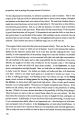
…onsibility for the cleanliness of our area. (Monks are taught all of their rules of behavior by the monastic rules.) The sleeping area is one in which the child will learn about morality. In the bathroom, we learn …
In education, respect, discipline, and patience are essential core values. Habit formation begins at home, with primary caregivers setting examples for children. Rooms in a home serve as spaces for le
139
Untitled
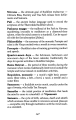
Nirvana — the ultimate goal of Buddhist endeavour — Ultimate Bliss, Eternity and True Self, release from defilements and Samsara.
Pali — the ancient Indian language used to record the scriptures of th
No summary available due to lack of content.
83
Say No to Alcohol
Say No to Alcohol
The negative long-term effects of alcohol consumption are difficult to control and overcome. Not only is your own welfare at risk, but also the welfare of those around you, especial
The long-term effects of alcohol are detrimental not only to the individual but also to their family. Alcohol leads to destruction of wealth, health issues, aggressive behavior, loss of friendships, a
34
Journey to Joy
Journey to Joy
34
Meditation and also to express gratitude to
all those who offer food and necessities to the
monastic community. These offerings to the
monks and novices provide us with the mental
an
This text discusses the importance of meditation and expressions of gratitude towards those who provide for the monastic community. It highlights how offerings facilitate the study of Dhamma and adher
102
Wisdom and the Dhammakāya in Buddhist Teachings
Some of the qualities or forms of wisdom listed in the text are exclusive to Buddhas such as omniscience (sabbaññutāna), intrepdity (vesārajjanāna), and the ten supreme intellectual powers of a Buddha
The text highlights unique qualities of wisdom exclusive to Buddhas, including omniscience and the ten intellectual powers. It discusses the dhammakāya as the embodiment of a Buddha's inner wisdom, di
32
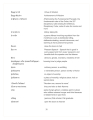
วิธีการสร้างปัญญาและธรรมในพระพุทธศาสนา
ปัญญาบารมี Virtue of Wisdom
ปัญญาสัมปทา Achievement of Wisdom
ปฏิมกฺขะ, ปฏิโมกษฺ (Patimokkha) the Fundamental Precepts; the fundamental rules of the Or
บทความนี้สำรวจแนวคิดต่างๆ เกี่ยวกับปัญญาและธรรมในพระพุทธศาสนา โดยเน้นที่ปัญญาบารมีและปัญญาสัมปทา ที่ช่วยให้ผู้ปฏิบัติสามารถเข้าใจและปฏิบัติตามหลักธรรมได้อย่างถูกต้อง รวมถึงการปฏิบัติตามปฏิมกฺขะและความ
115
Untitled Book Page
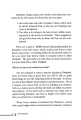
habitual discipline to ensure harmonious community living and was a way of life in which newcomers to the temple had to train themselves upon arrival.
Visitors to the temple were expected to exhibit t
This book page provides various insights relevant to the subject matter, bringing valuable information to readers while enhancing understanding and appreciation of the theme discussed. It emphasizes k
73
Dhamma Vinaya: Understanding the Wisdom of the Pali Canon
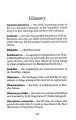
Dhamma Vinaya means, the wisdom and instruction contained in the Pali Canon of which there are two types.
1. One is the rules and code of conduct, Vinaya, which must be strictly refrained from, or el
Dhamma Vinaya encompasses the wisdom of the Pali Canon, highlighting two types: Vinaya, which entails strict rules of conduct for monks, and Dhamma, teaching beneficial practices that are not compulso
137
The Art of Mindful Living
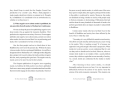
Glossary
Anusāvanācāriya — the junior examining monk of the two monastic examiners at the ordination whose duty is to give teachings and advice to the ordinand.
Arahant — one who has purified themse
In a fast-paced world, the practice of mindfulness offers a sanctuary for the mind. This guide explores the significance of being present, the science behind mindfulness, and practical techniques to i
191
The Impact of Media on Buddhism and Monastic Life
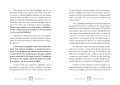
they should keep in mind that the Sangha Council has
jurisdiction over a monk's case. When a final judgment is
made, people should not criticize or comment on it. If people
do, in Buddhism it is consi
The text discusses the jurisdiction of the Sangha Council over monk cases and the implications of negative media coverage on Buddhism. It emphasizes that while the press reports on misconduct by some
190
Maintaining Faith in Buddhism Amidst Negative Perceptions
When people lose their faith in Buddhism, they do not teach their children to pay respect to the monks. They show no interest in studying Buddhist teachings and stop making merit. All temple activitie
เมื่อผู้คนสูญเสียศรัทธาในพุทธศาสนา พวกเขาจะไม่สอนลูกๆ ให้เคารพพระสงฆ์ และไม่แสดงความสนใจในการศึกษาอาจารย์ Buddhist จนลดจำนวนผู้ปฏิบัติ อย่างไรก็ตาม สถานการณ์นี้ถูกขับเคลื่อนโดยนักเขียนเพียงไม่กี่คนที่